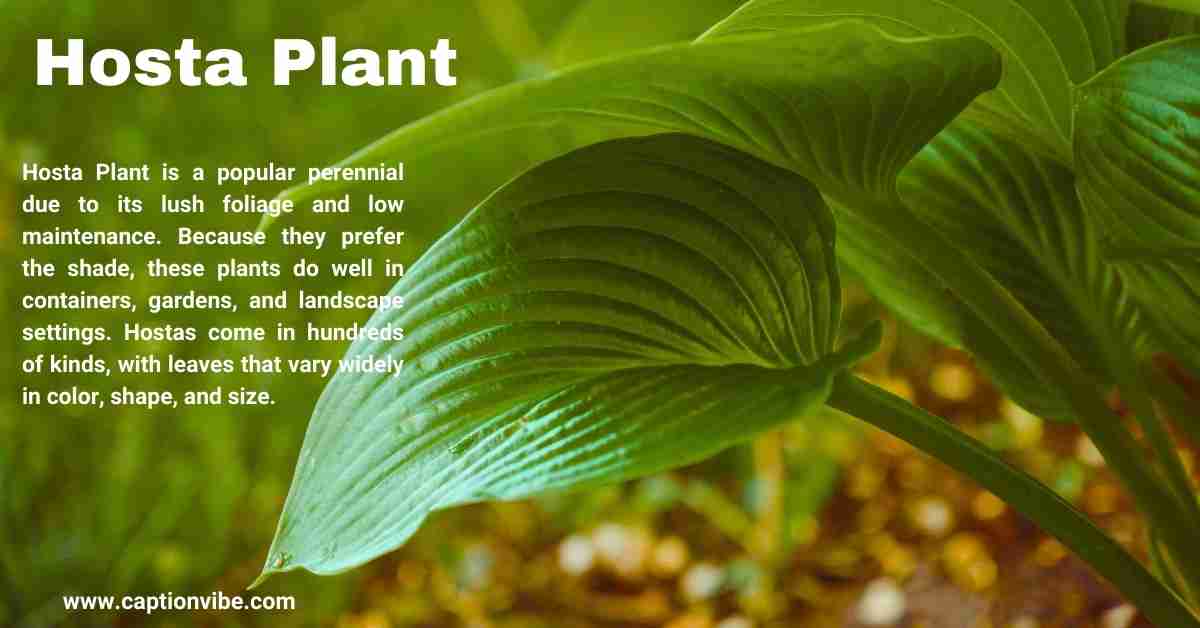
Hosta Plant is a popular perennial due to its lush foliage and low maintenance. Because they prefer the shade, these plants do well in containers, gardens, and landscape settings. Hostas come in hundreds of kinds, with leaves that vary widely in color, shape, and size. Gardeners of practically any skill level can grow hostas. This post will cover all the information you need to plant and care for hostas, from choosing the best variety to several types of troubleshooting, so you can keep enjoying their beauty in your garden for many years to come.
What are Hostas?
Herbaceous perennials, hostas, are indigenous to China, Korea, and Japan. People grow them for their gorgeous, big leaves, which range from deep green to blue and occasionally variegated. Hosta plant are regarded as shade-tolerant, thriving in low-light conditions that other plants cannot. Despite their ability to thrive in containers, people typically plant them in forest gardens, borders, and shaded garden beds. Though their beautiful foliage is what makes them most famous, in the summer they also yield white or lavender flowers on towering spikes.
Choosing the Right Hosta Variety
There are more than three thousand registered host types. Sometimes selecting the ideal kind for a garden overwhelms people. Here are some factors to take into account while selecting host types.
Lighting Conditions:
While some varieties of hostas can withstand some sun, others cannot stand it. When planting in a more sunny location, choose “sun-tolerant” varieties.
Color of Leaf:
The color of a plant’s leaves can sometimes indicate its tolerance to sunlight. While the gold and green-leaved hostas may withstand more sun, the blue-leaved hostas are certain to prefer deeper shadow.
Size:
These come in sizes ranging from tiny ones that are only a few inches tall to enormous ones that are up to four feet tall. Make sure to select a variety that takes the plant’s mature size into consideration.
Growth Rate:
While many hosta varieties grow more slowly and take three to five years to reach their maximum size, others are rapid growers and will quickly cover the beds.
Main Types of Hosta Plant
Hosta plant fall into several primary categories based on their size, leaf color, and growth tendencies. Some of the most common types are:
1. Miniature Hostas: These plants often reach a height of less than 6 inches. For rock gardens, pots, and tiny gardens, they are perfect.
2. Blue Hostas: With their blue-green leaves, these hostas provide a cool, calming hue to the garden. They grow well in deep shadow.
3. Variegated Hostas: These plants add brightness and contrast to shaded locations with their multicolored leaves, which come in shades of green and white or green and yellow.
4. Giant Hostas: These plants are ideal for building statement gardens because they may reach heights of up to 4 feet and have enormous, striking leaves.
5. Sun-Tolerant Hostas: Although most hosta varieties appreciate shade, others, like 'Sum and Substance,' can withstand more sun exposure, making them adaptable for many garden settings.
Taking Care of the Hostas
Although they require little care, Hosta plant still require some attention in order to flourish, as previously mentioned. The following advice will help you keep your hosts healthy:

Planting:
The hostas love rich, well-draining soil. Planting Create a hole that is exactly as deep and twice as wide as the root ball. Space the plants based on the mature size of the cultivar.
Watering
Hostas require consistent moisture, particularly in the early growing season. In hot, dry weather, apply more deeply once a week. Mulching the area around the plant helps maintain soil moisture.
Getting fertilized
Feed your hostas with a slow-releasing, balanced fertilizer when new growth begins in the spring. Avoid heavy fertilization because it promotes spindly, feeble growth.
Pruning:
To preserve the beauty of the plant, remove any damaged or dead leaves at any moment during the growing season. If not, trim back leaves when they naturally die in autumn.
Diseases and pests:
Slugs and snails are the most frequent pests that attack host plants. They gnaw on leaves, leaving unsightly holes in them. To prevent slug damage, use organic slug repellents or build diatomaceous earth barriers around plants. Additionally, be vigilant for fungal infections such as crown rot, which can result from insufficient drainage.
Landscaping with Hostas
Hostas’ versatility allows for their use in a variety of landscape designs. Here’s a suggestion for using hostas in your landscaping:

Shade Gardens:
Hostas are perfect for shaded areas of the garden where few plants flourish. For a dense, multi-layered look, combine them with other plants that thrive in shadow, such as ferns, astilbes, and heucheras.
Edges and Boundaries:
While the larger hosta varieties make wonderful border plants, you can use the smaller varieties to edge garden beds or walks.
Container Gardening:
Hostas grow nicely in containers, so patios, decks, and tiny garden spaces are the best places to plant them. Just be sure to water it frequently and with proper drainage.
Mixed Beds:
When combined with other plants, these plants look fantastic; flowering perennials, shrubs, and decorative grasses all make excellent combinations. Together, these provide a visually striking and dynamic garden bed.
How to Planting Hostas
Select a well-drained, shaded spot with excellent soil before planting Hostas. Create a hole that is twice as wide as the root ball and equally deep. After placing the plant in the hole and gently spreading its roots, fill it with dirt. Depending on their mature size, arrange the plants to accommodate growth gaps between them. After planting, give the roots plenty of water to settle. Mulching the area around the base will help keep moisture in and keep weeds at bay. Because hostas dislike dryness, water them frequently during the growing season—especially during dry spells.
How to Growing, and Caring for Hosta Plant
Planting hostas in well-drained, rich soil in a shaded spot is essential to their growth and maintenance. Hostas need a steady supply of moisture, especially in dry weather, so water them frequently. To help these plants retain moisture and deter weeds, mulch the area surrounding them. To promote healthy plant growth, fertilize in the spring using a slow-releasing, balanced fertilizer. Throughout the growing season, remove any damaged or dead leaves to keep the plants neat-looking. Beware of leaf-chewing slugs and snails, and use natural repellents to scare them away. Hostas will flourish and add lush, eye-catching foliage to your yard with the right maintenance.
In summary
For gardeners of all skill levels, hostas are a wonderful option due to their beauty, adaptability, and low maintenance requirements. There are plenty of types to choose from, so you’re likely to find a hosta that works in your landscape. Regardless of your inclination, hostas provide years of lush foliage and visual interest in the landscape when mass-planted in shaded garden beds, along borders, or in containers.